Mumbai: As the chill of winter sets in, India's wedding season begins. Whether it is a sister's shaadi, a daughter's vidaai, or one's own marriage, we often get swept away by family expectations, the fear of "what will people say," and the sentiment that "it only happens once", and end up spending far beyond our means. But when the shehnai falls silent, the tents come down, and the guests return home, one quiet truth remains: an EMI deducted every month for years to come.
Seen through the lens of data, industry estimates put India's wedding economy at approximately ₹6.5 lakh crore, with 40 to 50 lakh weddings taking place every year. According to a recent annual wedding industry report based on a survey of over 2,000 couples, wedding spending rose 8% year-on-year, with the average wedding budget reaching ₹39.5 lakh. Destination weddings averaged an even higher ₹58 lakh.
While approximately 78% of couples funded their weddings through personal savings, 15.1% had to take on debt. Those who borrowed took an average loan of ₹15.5 lakh, spent primarily on premium venues, jewellery, and catering.
For the average middle-class family, ₹15.5 lakh is no small sum. When both partners are earning, repaying the EMI feels manageable. But the moment one loses a job, a medical emergency strikes, or income drops, that same debt becomes the reason for sleepless nights. Many families also lean on credit cards, Buy Now Pay Later (BNPL) services, and instant app-based loans for smaller wedding expenses and festive shopping. Credit card outstanding balances in India have more than tripled in five years to around ₹2.70 lakh crore, personal loans grew 16.7% year-on-year as of March 2025, and household debt touched a record 47.8% of GDP by December 2025. The celebration lasts a day; the price is paid for years.
How quickly the cycle of borrowing one loan to repay another can overwhelm a life is best illustrated by Mumbai-based Amit (name changed), 38. After a business loss, he turned to his credit card to manage family expenses, including costs tied to a close relative's wedding. To clear the card bill, he took a personal loan, and slowly found himself trapped across 13 separate loan accounts, with his total debt reaching ₹6,22,865. Over 200 recovery calls a day and repeated home visits by agents left him mentally broken. The Settle My Loan team took over all communication with lenders, sharply reducing recovery calls and home visits. After phased negotiations across all 13 accounts, his debt was settled at ₹2,22,388, a 64% reduction. Today, Amit has made a fresh start, free from fear.
"Debt is not just about numbers and money; it is deeply tied to a person's dignity and self-respect. When a family takes on debt for a joyous occasion and then finds itself unable to repay it, they feel defeated and begin living in shame. At Settle My Loan, our goal is not just to settle loans, but to restore the dignity they have lost. We believe every individual deserves a second chance, free from fear and free from shame," said Harish Parmar, Founder, Settle My Loan.
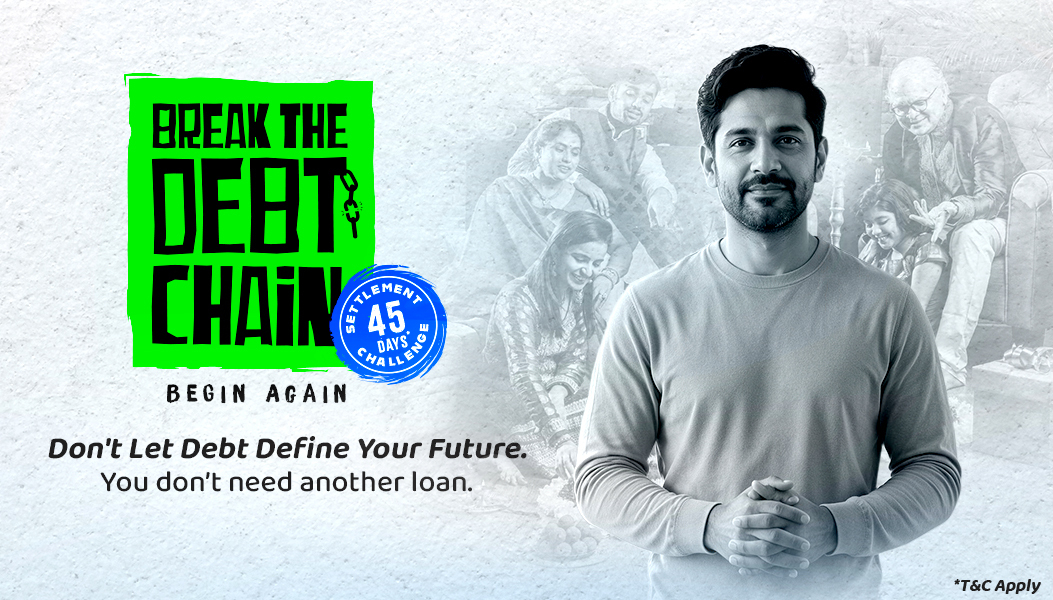
Recognising this problem, Settle My Loan has launched the 'Break the Debt Chain' initiative, under which it has introduced the 45-Day Loan Settlement Challenge. It begins with a Free Consultation and works on three pillars. First, it helps individuals get relief from undue pressure and calls from recovery agents. Second, financial experts carry out Expert Negotiation with lenders for a dignified settlement, within banking regulations and the legal framework. Third, once the settlement is complete, clients are helped to obtain a 'No Due Certificate' from the bank and guided on improving their credit score.
A wedding is one of life's most beautiful moments and deserves to be celebrated with full joy. But it is equally important to ensure that one day's celebration does not become a debt trap for years to come. If you or someone close to you is already caught in this cycle, seeking professional help is wiser than suffering in silence. Settle My Loan, India's trusted debt resolution platform, has helped thousands of borrowers achieve structured settlements and reclaim their lives, free from fear, free from shame, and free from debt.